Most eCommerce ideas die long before they ever hit the market.
Not because they’re bad ideas.
Not because the founder lacked ambition.
But because they got stuck in prep mode.
Prep mode feels productive:
You’ve inhaled every “How I Built My 7-Figure Brand” podcast.
You’ve joined communities.
You’ve watched hours of automation videos.
Your Notion workspace looks like a beautiful startup that never actually existed.
What’s missing?
A launch.
A product.
Even a simple landing page.
Action creates clarity.
Planning creates… more planning.
But before you can take action, there’s a very real question every founder eventually hits:
Should I invest early in design, development, and branding — or test demand first?
The right answer saves months of wasted effort and thousands of dollars.
The wrong one delays everything.
Let’s break down both paths, when each works, and how to know which one applies to your idea.
When It Makes Sense to Invest Early in Design/Dev/Branding
Go this route when:
1. Your product is brand-driven, not commodity-driven.
Think skincare, fashion, supplements, wellness, lifestyle goods, luxury items.
Here, perceived value drives the purchase. Design and storytelling matter from day one.
2. You have a defensible, long-term vision.
If you know this isn’t a three-month flip but a multi-year build, early branding prevents you from rebuilding the plane mid-flight.
3. Your market expects polish.
Some industries judge instantly.
A scrappy MVP can actively hurt you.
4. Your product requires education or trust.
If people need explanation before buying, your brand and UX must do that heavy lifting.
5. You want to avoid the “cheap dropship store” vibe.
Professional design accelerates authority and lifts you out of the noise fast.
When It’s Better to Test Demand First
Choose this path when:
1. You aren’t sure people want the product yet.
If demand is unclear, a bare-bones page + ads + waitlist or presale is enough.
2. The product is utilitarian or problem-solving.
Tools, gadgets, B2B items — function matters more than brand polish.
3. You’re iterating fast or exploring multiple angles.
Don’t lock yourself into expensive branding that might get thrown out next month.
4. You’re testing multiple products or niches.
Think MVP storefront, not “Apple.com energy.”
5. Cash is tight and clarity is low.
When you’re still figuring things out, learning > aesthetics.
A Simple Decision Rule
- If your product relies on trust and emotion, invest in brand early.
- If your product relies on utility and data, test demand first.
Or even simpler:
- Product-first markets: test demand.
- Brand-first markets: invest early.
But let’s go deeper.
The Decision Matrix
Here’s a simple scoring method to help you decide whether your product leans toward brand-first or test-first.
Rate each criterion from 1 (low) to 5 (high) based on how strongly it applies to your product.
Start by asking yourself these questions:
- Is this an emotional or identity-driven purchase, or purely functional?
Higher scores here push you toward a brand-first approach. - Does your product require trust, credibility, or education before people buy?
If yes, give it a higher score — this also favors investing early in branding. - Does your market expect polish out of the gate?
Premium industries often demand professionalism from day one. A high score favors brand-first. - How uncertain is demand?
The more unsure you are about whether people actually want the product, the higher the score — and the more it favors testing first. - How many angles, niches, or product variations are you exploring?
If you’re still experimenting, give this a higher score. That points to a test-first approach. - How unclear is your cash situation or financial runway?
A higher score here means you should test demand before investing heavily in visuals or development. - How long-term and defensible is the business you’re building?
If you’re designing something you expect to grow over years, and you see clear differentiation, score this high — that indicates a brand-first strategy.
Once you’ve rated each item, add up the totals for the “brand-first indicators” and the “test-first indicators.”
- If your Brand score is higher, invest early in design, development, and branding.
- If your Test score is higher, validate demand before committing to a polished brand.
This matrix works because it forces you to evaluate your idea based on what the product actually requires, not what feels comfortable or exciting. Many founders default to branding because it’s fun — or default to scrappy testing because it’s cheap — but your product category, audience expectations, and level of certainty should determine the path.
The Flowchart
If YES → follow the arrow. If NO → follow the alternate path.
A. Do people buy this category based on emotion, aesthetics, or identity?
YES → Go to B
NO → Test Demand First
B. Does your market expect a premium, polished experience right away?
YES → Invest Early
NO → Go to C
C. Is demand already validated or strongly implied from competitor success?
YES → Invest Early
NO → Go to D
D. Are you building a long-term, defensible brand?
YES → Invest Early
NO → Test Demand First
The “Before You Invest in Branding” Checklist
If you're considering early investment, confirm at least 4 out of 5:
- You know exactly who you’re serving.
- You know why they choose brands over cheaper alternatives.
- Your competitors with the strongest branding are winning.
- You aren’t planning to pivot niches or products in the next 90 days.
- You can clearly explain why your brand should exist — without hand-waving.
If you can’t check these yet, it’s too early. Validate first.
The Psychology That Keeps Founders Stuck
Founders don’t stall because of laziness.
They stall because of fear disguised as productivity.
Branding feels safe.
Design feels safe.
Buying a domain feels safe.
None of those expose you to failure.
Launching does.
But here’s the truth:
Ideas don’t win. Iterations do.
Momentum beats perfection every time.
An Unexpected Lesson From a Box of Eggs
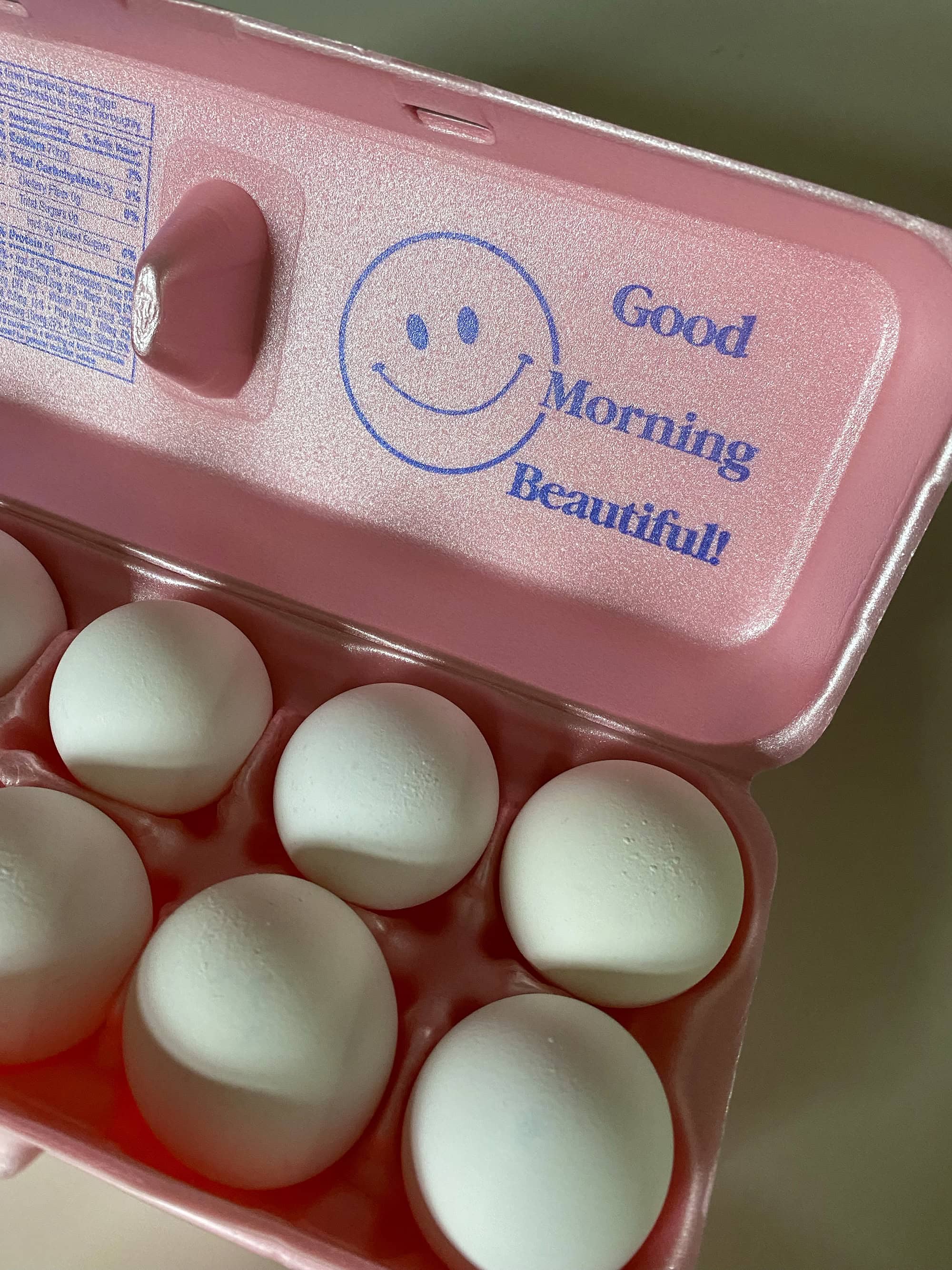
*But yes—those above are eggs in a beautifully branded pink box. In case you needed evidence that branding can upgrade anything, please enjoy that extremely well-packaged box of eggs. If eggs can have a strong visual identity, so can your product. Because if even breakfast can look premium, there’s truly no product on earth that doesn’t benefit from great branding.


.jpg)