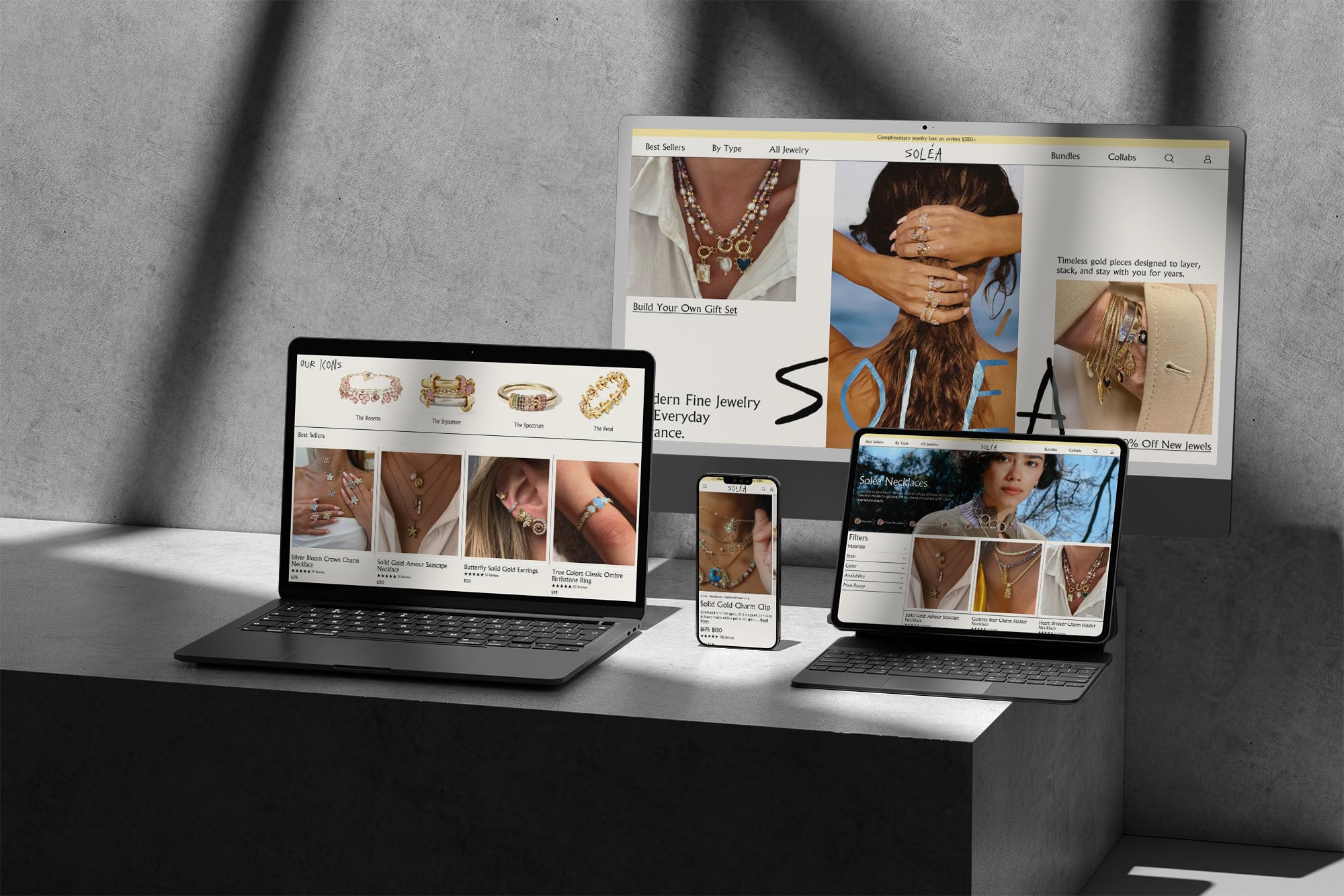
Starting a fashion brand is an act of creation — you’ve perfected the product, the fabrics, and the vision. Now it’s time to ensure your online store reflects that same level of intention and quality.
In fashion, your website isn’t just a place to sell — it’s your digital flagship. It’s where your story comes to life, and where a casual browser decides whether they want to step into your world.
This guide is a friendly, non-techy roadmap to building a Shopify store that doesn’t just look good, but converts visitors into loyal customers and sets the foundation for long-term growth.
The Foundation — Why Branding Shapes Everything
In fashion, branding is not a luxury; it’s the strategy. Unlike purely functional products, fashion is driven by emotion, identity, and perceived value. Your customer isn’t just buying a garment — they’re buying a feeling, a lifestyle, and a sense of belonging.
Why a Brand-First Approach Wins in Fashion
Many founders try to start with a quick, templated store and “test later.” This often backfires in fashion, because poor presentation signals low value.
Brand-First Approach
- Best for: Fashion, skincare, lifestyle, and luxury products
- Why: A cohesive brand and strong visual identity increase perceived value, build trust, and justify premium pricing.
Test-First Approach
- Best for: Utilitarian products, gadgets, or early-stage experiments
- Why: Designed for speed and validation, not emotional connection or long-term brand equity.
Your store has roughly three seconds to make a first impression. That impression must communicate polish, confidence, and intention. When your logo, colors, typography, and photography all align, your brand immediately feels “premium” — even as a new player.
Brand Positioning & Niche Clarity
Many fashion startups fail because they try to speak to everyone. Clarity is power.
Focus on:
- Who your brand is not for (just as important as who it is for)
- Your specific aesthetic lane: minimalist, techwear, romantic, street, heritage, etc.
- How to differentiate in crowded categories (e.g., “sustainable hoodies” vs. “urban performance layering for commuters”)
Simple exercise:
Describe your customer in three sentences:
- How they dress
- What they do on weekends
- What brands they already love
This helps focus your messaging, visual identity, and product development.
Conversion Rate Optimization — Turning Browsers into Buyers
CRO is simply about making it easier for your visitors to say yes. In fashion, that means reducing friction and building trust at every step.
The Homepage: The First Impression That Counts
Your homepage is like a mini runway show — glossy visuals, curated pieces, and just enough personality to hook them.
Focus on these elements:
Hero Section (Above the Fold)
- Clearly communicate who you are and what makes you different.
- Avoid vague lines like “Find your vibe.”
- Instead use specific positioning like:
“Modern streetwear inspired by urban movement.”
A Curated Journey
Guide visitors instead of overwhelming them:
- Feature best-selling collections
- Highlight a signature piece
- Include a short brand story
- Add light social proof (reviews, press mentions)
Whitespace Is Confidence
Don’t crowd your design. Space signals intention, calm, and premium positioning. Let your product breathe.
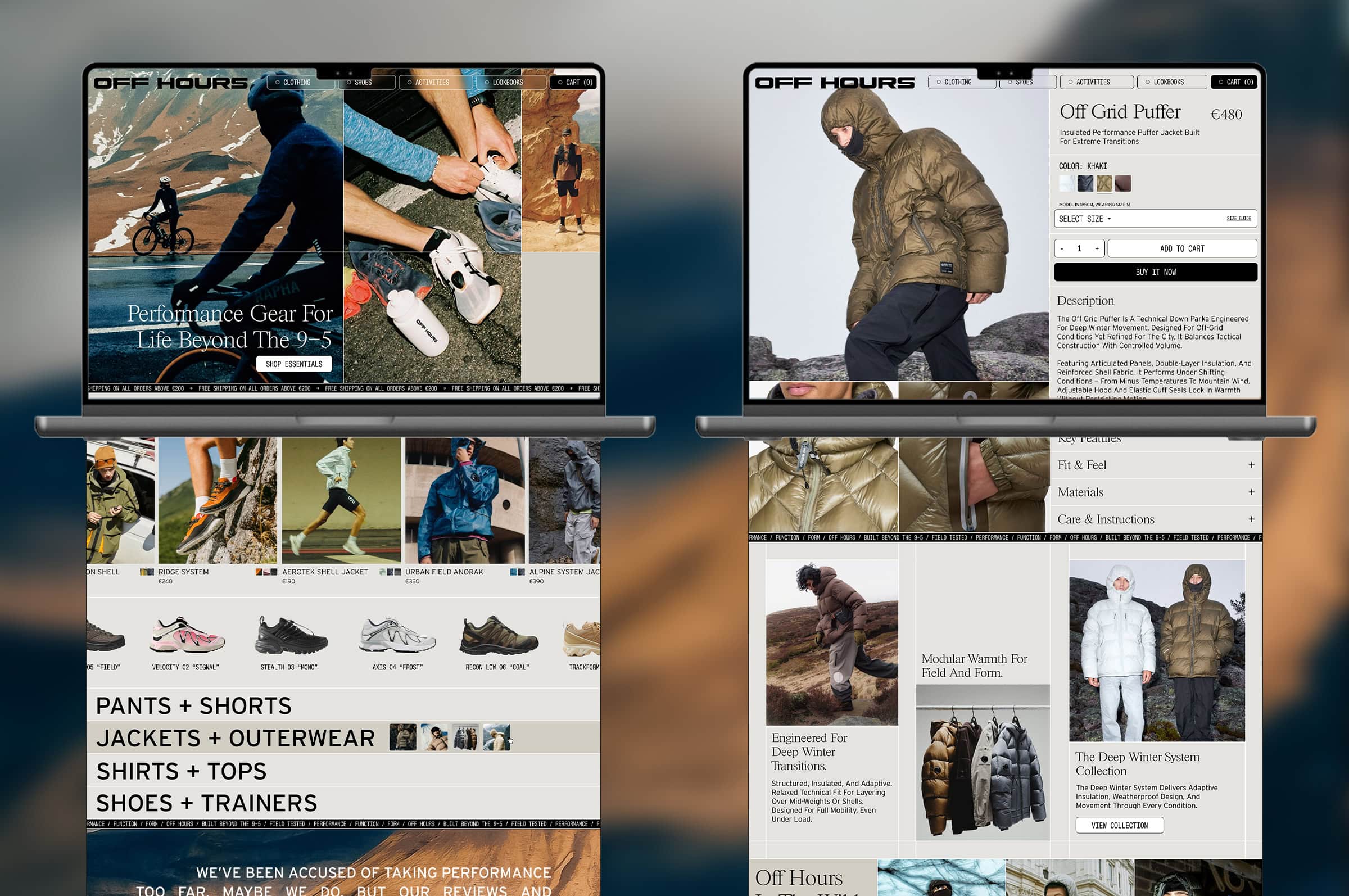
The Product Page — Your Brand’s Storyteller
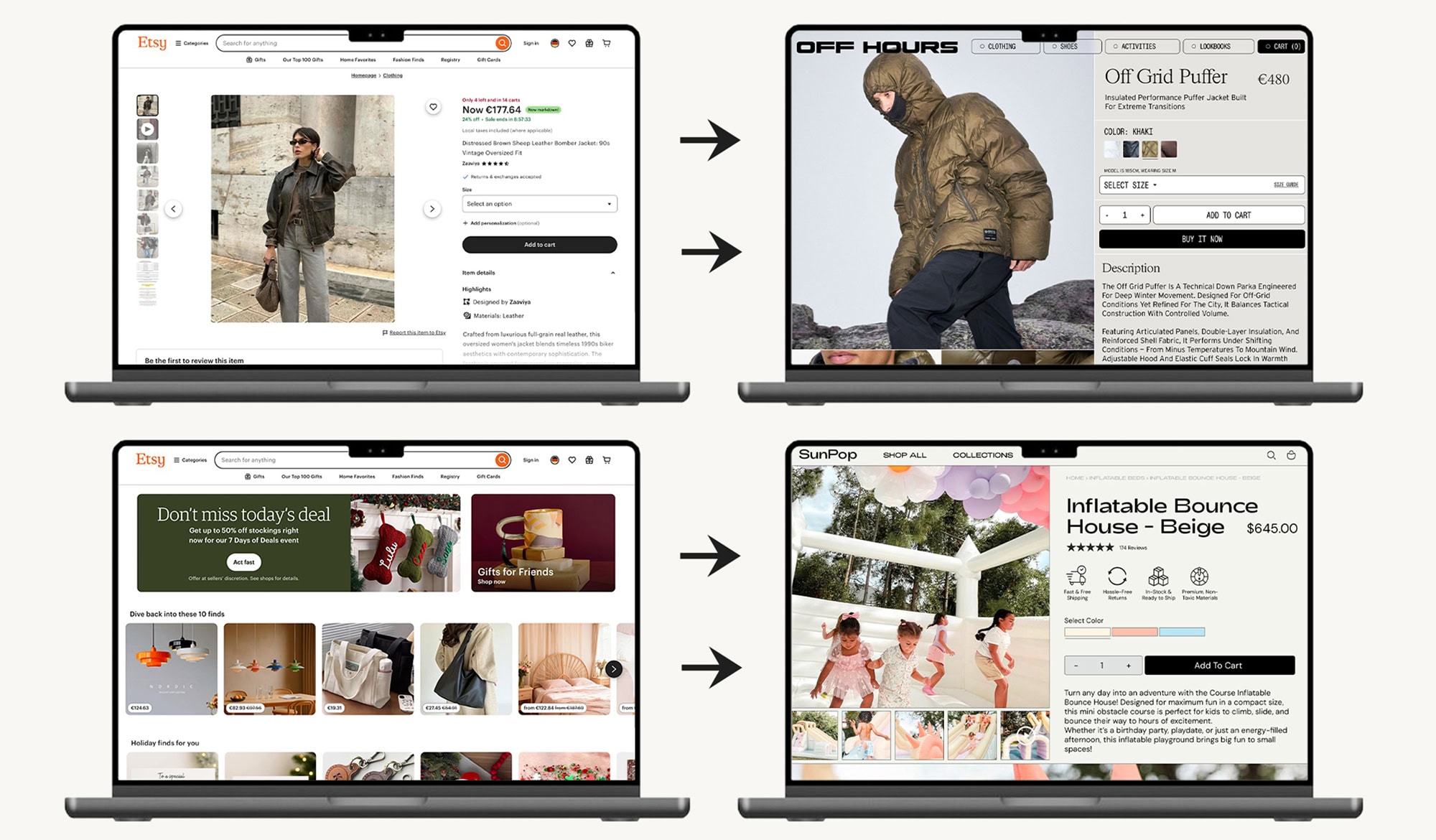
Think of your Product Detail Page (PDP) as the spot where your product proves itself. For clothing, what people see matters way more than what you write. The page needs to educate, reassure, and show off your piece in all its glory—so browsers become buyers without needing a novella of copy.
Key elements to make it irresistible:
1. High-Quality Imagery
- Large, clear product photos showing texture, details, and color accuracy
- Lifestyle images that show the product in action—real people, real situations
- Multiple angles so customers know exactly what they’re getting
2. Social Proof & Reviews
- Star ratings and written reviews, ideally with photos
- UGC (user-generated content) or influencer content showing the product in real life
- Press mentions or badges for added credibility
3. Concise, Benefit-Focused Copy
- Short descriptions highlighting fit, comfort, and key features
- Fabric and care info upfront
- Size and fit notes (e.g., “runs large,” “true to size”)
Storytelling is optional—your visuals and social proof already do the heavy lifting. Copy should support, not overshadow, the imagery.
4. Trust & Friction Removal
- Clear sizing guides
- Transparent return policies
- Shipping info upfront
When your PDP nails imagery, social proof, and easy-to-digest info, it stops being just a product page—it becomes a mini-experience that makes the customer feel confident buying, even before they read a single long story.
Social Proof and Trust Signals
People follow the crowd. They buy what other people already trust. In fashion, seeing is believing: Social proof turns curiosity into confidence.
Use:
- Customer reviews and ratings
- Photo reviews showing real customers wearing your designs
- Press features or media badges
- Clear satisfaction guarantees
- Payment trust badges (Shopify, Visa, PayPal, etc.)
Even subtle trust elements dramatically reduce purchase anxiety.
Shipping, Payments & Communication
A smooth experience = a trustworthy experience.
Focus on:
Clear Shipping Information
- Display delivery times and costs clearly
- Highlight free shipping thresholds with banners
Frictionless Checkout
- Keep checkout fast and simple
- Use Shopify’s optimized native checkout
Automated Email Flows — Your Brand, Working While You Sleep
Automated emails are secret superheroes of your Shopify store. They work quietly in the background, nudging, reminding, and delighting your customers—without you having to lift a finger. And in fashion, they’re more than just admin emails: they’re brand touchpoints that reinforce your story, style, and personality.
Key Flows Every Fashion Brand Should Have
1. Welcome Series
- Introduce your brand, vibe, and story to new subscribers
- Show off hero products or collections
- Give a little incentive if you want—free shipping or a small discount
- Tip: Keep the tone playful and personal. Think of it as a friendly “hey, welcome to our world” coffee chat
2. Abandoned Cart Reminders
- Gently remind shoppers what they left behind
- Include imagery of the product(s) in the cart
- Add social proof if possible (“Loved by 1,000+ happy customers”)
- Tip: Keep it fun, not pushy. A little humor goes a long way: “Your hoodie misses you. Don’t leave it hanging!”
3. Post-Purchase Series
- Confirm the order and share tracking info
- Follow up with styling tips or care instructions
- Encourage reviews or photo submissions
- Thank them in a way that feels like your brand, not a corporate template
Why These Emails Matter
- They increase conversions and revenue—abandoned cart emails alone recover a huge chunk of lost sales
- They reinforce your brand voice at every touchpoint
- They build loyalty by turning first-time buyers into repeat customers
- They make your brand feel alive, responsive, and human
Pro Tips for Fashion Founders
- Use lifestyle imagery in emails, not just product shots
- Keep copy concise, playful, and on-brand
- Segment your audience: new subscribers, repeat buyers, VIPs—different flows for different people
- Test subject lines, images, and timing—you’d be surprised what tiny tweaks can do
Automated flows aren’t just “set it and forget it.” Done right, they’re a way to extend your brand personality into your customer’s inbox, build trust, and increase revenue—while you focus on designing your next collection.
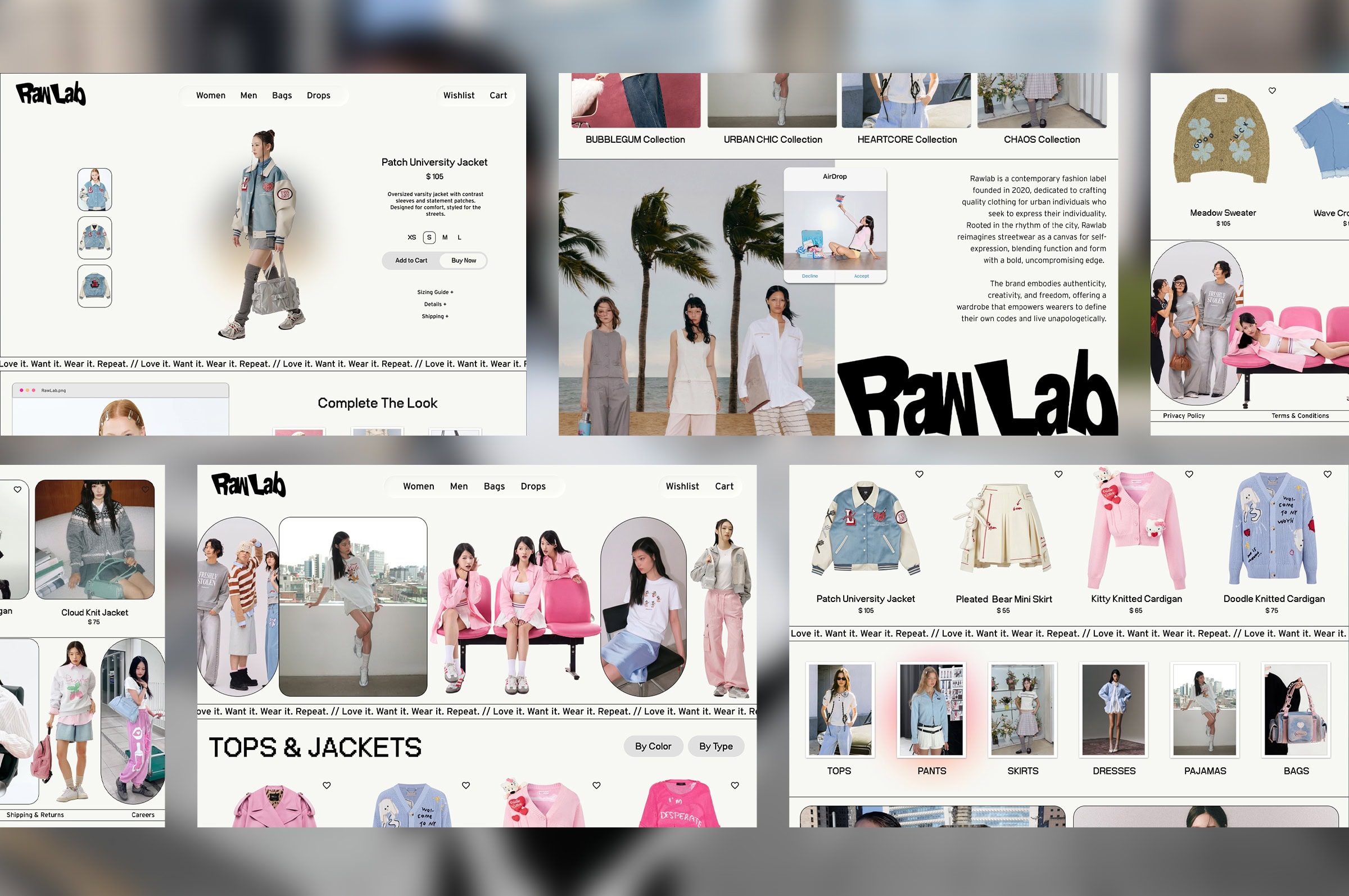
Merchandising & Assortment Strategy
Many early-stage fashion brands fail because of weak assortment planning. Strategic product curation boosts sales and brand perception.
Launch Smart
- Limit SKUs initially to avoid overwhelm
- Feature a “hero product” that anchors pricing perception
- Curate collections with 3–6 pieces for maximum focus
Cohesive Collections
- Maintain color harmony across pieces
- Plan seasonal drops thoughtfully
- Use complementary items to encourage multi-product purchases
Lookbooks & Editorial Storytelling
Fashion is aspirational. A strong lookbook does multiple jobs:
- Makes your small brand feel established
- Creates reusable content for social media and ads
- Tells your brand story visually and emotionally
Tips:
- Include full outfits styled together
- Show lifestyle context
- Keep the editorial tone consistent with your brand
On-Model Shots & Visual Trust
Flat lays alone aren’t enough. Show your products in motion and on real bodies.
Why it Matters
- Increases conversion
- Reduces returns
- Shows fit, scale, and lifestyle
Affordable Tips
- Use friends, micro-influencers, or small local photographers
- Show movement (walking, turning, sitting)
- Feature diverse body types
Product Naming Framework — Make Names Emotional, Not Just Functional
A product name isn’t just a label—it’s the first mini-story your customer encounters. Great names spark curiosity, reinforce your brand identity, and make your products memorable, while bad ones fade into a sea of generic listings.
Best Practices for Naming Fashion Products
- Use thematic or story-driven names
- Tie the name to your brand identity or collection theme
- Example: A romantic-inspired dress line could use names like “Moonlit Garden” or “Petal Drift” instead of “Floral Midi Dress”
- Example: A streetwear hoodie line could use names like “Midnight Run” or “Urban Pulse” instead of “Black Hoodie”
- Keep naming consistent across collections
- Decide on a style (e.g., poetic, minimal, urban slang) and stick to it
- Consistency builds brand personality and makes products feel like part of a cohesive world
- Incorporate subtle SEO without losing style
- Add functional keywords sparingly to help discovery
- Example: “Moonlit Garden Midi Dress” instead of just “Moonlit Garden”
- Keeps it discoverable on search engines while still feeling aspirational
- Make it memorable and shareable
- Easy to say, spell, and remember
- Avoid overly generic or numeric names unless part of a collector story (e.g., #12 of 50)
Shopify Tip — Product Title vs. SEO Title
- Product Title:
- Visible on your site and product pages
- Focus on branding and storytelling
- Example: “Midnight Run Hoodie”
- Product SEO Title:
- Used for search engines (Google, Bing, etc.)
- Include functional keywords that help customers find your product
- Example: “Black Hoodie for Men | Urban Streetwear Sweatshirt”
- You can make it slightly longer and descriptive without changing the product title on your page
Pro Tip: Keep the product title aspirational and stylish for your customers, and use the SEO title for discoverability. This way, you get the best of both worlds—brand personality and search traffic.
Product Naming Examples — Brand Name vs. SEO Name
Hoodies
- Brand Name (for your site): Midnight Run Hoodie
- SEO Title (for search engines): Black Hoodie for Men | Urban Streetwear Sweatshirt
Dresses
- Brand Name: Moonlit Garden Midi Dress
- SEO Title: Floral Midi Dress | Women’s Romantic Evening Dress
Jackets
- Brand Name: Urban Pulse Bomber
- SEO Title: Men’s Black Bomber Jacket | Streetwear Outerwear
Sneakers
- Brand Name: Daybreak Runner
- SEO Title: White Lightweight Sneakers | Men’s Casual Shoes
Tips for Applying This Framework:
- Brand Name: Keep it aspirational, story-driven, and consistent with your collection theme. This is what your customers see and remember.
- SEO Title: Include relevant keywords that help search engines and shoppers find the product. This can be more descriptive and functional.
- Consistency: Use the same naming style across collections to build a cohesive brand personality.
- Memorability: Make it short, punchy, and easy to say/share.
By separating the on-page product name from the SEO title, you get a product that feels premium and stylish for your audience, while still being discoverable online.
Fabric Transparency & Education
Educating customers on fabrics builds trust and strengthens your brand story.
Include in PDPs
- Why you chose the fabric
- Fabric benefits (durability, comfort, feel)
- Care instructions
- Sustainability or sourcing story (if applicable)
Returns Reduction Strategy — Keep Margins Healthy Without Upsetting Customers
Returns are the silent killer for fashion startups. Every returned item eats into margins, creates extra shipping costs, and can be a logistical headache. The good news? Many returns are preventable with the right proactive strategies.
How to Reduce Returns
1. Provide Accurate Sizing Charts
- Include precise measurements for chest, waist, hips, length, and sleeve where relevant
- Consider adding a “model info” section: height, weight, and the size they’re wearing in the photo
- Tip: Make it visual with simple diagrams—customers process visuals faster than tables of numbers
2. Add Fit Notes
- Include quick notes like “runs large, size down” or “true to size”
- Highlight unique features that affect fit (oversized, cropped, tapered, stretchy)
- Example: “Relaxed fit hoodie with slightly elongated sleeves for layering—consider sizing down if you prefer a snug fit”
3. Include User-Generated Content (UGC)
- Show real customers wearing the product with their size listed
- Videos or photos can show movement, stretch, or drape in ways studio shots can’t
- This builds trust and gives shoppers realistic expectations before they buy
4. Track Return Data
- Monitor why products are returned (fit, quality, color, etc.)
- Use insights to tweak sizing, fabrics, or styling in future collections
- Example: If multiple customers report a dress as “too short,” adjust pattern lengths in the next run
Extra Pro Tips
- Encourage Reviews With Size Info: Ask customers to leave their size and fit notes in reviews—this reinforces accuracy for future shoppers
- Be Transparent About Fabric: Some returns happen because customers misjudge stretch, transparency, or texture—call it out clearly
- Highlight Styling & Layering Options: Showing how a piece works with other items in your collection reduces surprises
Returns aren’t always avoidable—but with clear sizing, honest fit notes, real-world imagery, and data-driven tweaks, you can cut unnecessary returns, keep customers happy, and protect your margins.
Pre-Order & Made-to-Order Models — Smart Ways to Manage Inventory
Inventory is one of the biggest headaches (and expenses) for fashion startups. Producing too much can tie up cash and lead to markdowns, while producing too little can make you miss out on demand. Pre-orders and made-to-order models are a clever way to balance cash flow, manage risk, and even create buzz around your brand.
Why Pre-Orders Work
- They fund production upfront, so you don’t have to front the entire cost of manufacturing
- They create urgency and exclusivity, which can increase demand
- They reduce inventory risk, because you’re producing based on actual orders, not guesswork
Made-to-order works similarly but focuses on customization or low-volume runs, which helps maintain margins and reduces waste.
Best Practices
1. Announce Pre-Orders Clearly
- Be upfront about which products are pre-order and which are in-stock
- Use banners or callouts on the product page: “Pre-order now — shipping mid-December”
- Tip: Transparency builds trust. Customers are willing to wait if they know exactly when to expect their items
2. Set Expectations for Shipping Times
- Include expected production and delivery windows in product descriptions, confirmation emails, and checkout
- Example: “This piece is made to order and will ship within 4–6 weeks”
- Tip: Send updates throughout the process—customers feel reassured and less likely to cancel
3. Consider Hybrid Models
- Pre-order for new drops or limited editions, in-stock for evergreen pieces
- Example: A streetwear brand might pre-order hoodies for a seasonal drop, while keeping classic black hoodies in stock year-round
- Hybrid models keep cash flowing and ensure you never miss a sale for popular basics
4. Use Pre-Orders Strategically to Build Hype
- Combine with email marketing or social media announcements
- Offer early access to loyal subscribers or VIP customers
- Create small, numbered drops (“Only 50 units made—pre-order yours now”) to reinforce scarcity
Extra Tips
- Track Pre-Order Data: Monitor which products sell best in pre-order to inform future collections
- Balance Production Timelines: Avoid overpromising—slow production is okay, but under-delivering on timing is not
- Communicate Brand Personality: Use the messaging to reinforce your brand voice—playful, stylish, or irreverent—so pre-order updates don’t feel like generic admin emails
Done right, pre-orders and made-to-order models solve cash flow issues, reduce risk, and create excitement around new collections—all without turning your warehouse into a storage nightmare.

Brand Rituals & Signature Elements — Make Your Brand Unforgettable
A strong brand isn’t just about clothes—it’s about experiences, rituals, and tiny touches that stick in people’s minds. Signature elements give your fashion brand a personality beyond the product itself, making your customers feel like they’re part of a special world.
Why Signature Elements Matter
- They create recognition: Customers know it’s your brand before they even see the logo
- They enhance perceived value: Small details signal craftsmanship and care
- They build loyalty: When people anticipate the experience, they return again and again
Ideas for Fashion Brands
1. Unique Trims, Stitching, or Patterns
- Incorporate subtle details that are identifiable across pieces
- Example: A streetwear brand might use a distinctive embroidered tag or patterned lining that shows up on hoodies, jackets, and hats
- Even minimal brands can have a signature stitch or hemline that makes items instantly recognizable
2. Consistent Unboxing Experience
- Packaging is your first “hands-on” touchpoint with the product
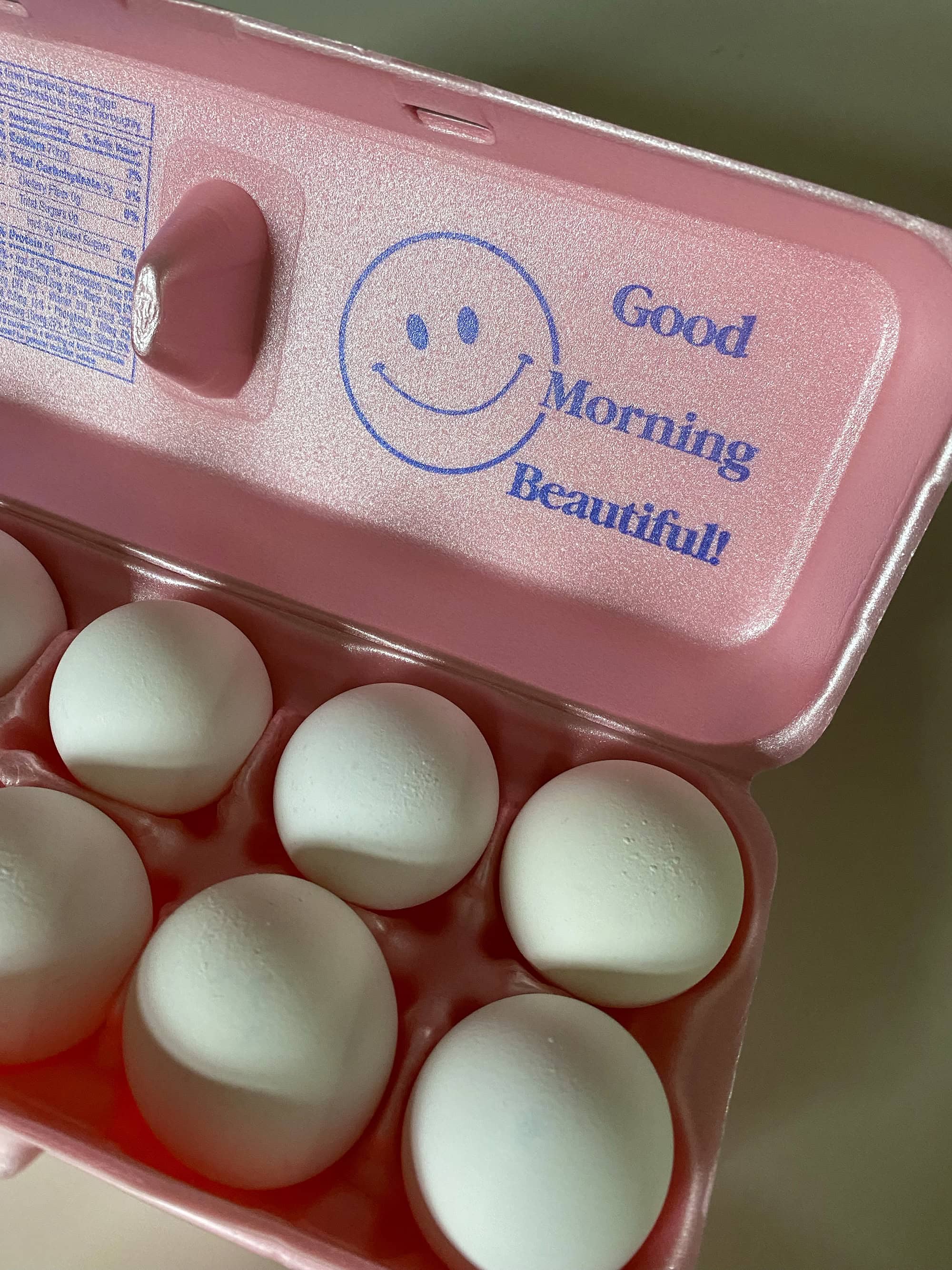
- Include tissue paper, branded stickers, or a small card with a handwritten note
- Tip: Think beyond aesthetics—scent, texture, and sound can make unboxing memorable
3. Recurring Campaigns or Seasonal Motifs
- Use annual or seasonal campaigns that customers anticipate
- Example: A winter collection could always feature a specific color, pattern, or theme; customers begin to associate that motif with your brand
- Limited-time drops or holiday collaborations can also create ritualized engagement
4. Signature Scent or Sensory Branding
- A subtle scent in packaging can be a powerful memory trigger
- Even a branded tote bag or sticker with a distinct smell can make the unboxing feel premium
- Sensory details reinforce that your brand is thoughtful and distinctive
Extra Tips
- Consistency is key: Signature elements only work if they’re repeated across products and experiences
- Make it shareable: Rituals that are visually or emotionally interesting encourage customers to post on social media
- Keep it authentic: Don’t force gimmicks—signature elements should feel like a natural extension of your brand story
The right rituals and signature touches turn ordinary purchases into mini-brand experiences. When your customers remember the details, they don’t just buy a hoodie—they buy into your world.
Examples: Streetwear Brand Signature Elements & Rituals
1. Unique Trims or Stitching
- Distinctive embroidered tags on hoodies and jackets
- Branded tape along side seams of joggers
- Subtle graphic linings in bomber jackets
2. Consistent Unboxing Experience
- Black matte box with bold neon logo
- Tissue paper printed with urban patterns (graffiti, cityscape)
- Small sticker pack with street-style slogans
3. Recurring Campaigns or Seasonal Motifs
- Seasonal “City Drops” featuring limited colors or patterns tied to different cities
- Annual collaboration with a street artist, announced as a “drop event”
- Recurring motifs like reflective trims or geometric prints
4. Signature Scent or Sensory Branding
- Subtle leather or charcoal-scented tissue paper for premium pieces
- Branded stickers with a faint streetwise, smoky scent
- Sound: crinkle of branded packaging as part of unboxing experience
Examples: Minimal Fashion Brand Signature Elements & Rituals
1. Unique Trims or Stitching
- Clean, tonal stitching along sleeves or hemlines
- Minimal logo embossed subtly on buttons or zippers
- Hidden lining patterns that are only visible upon close inspection
2. Consistent Unboxing Experience
- White matte box with soft-touch finish
- Neutral tissue paper with minimal brand logo
- A small card with a simple handwritten thank-you or styling tip
3. Recurring Campaigns or Seasonal Motifs
- Seasonal color palettes always aligned with the brand aesthetic
- Capsule collections released at predictable times, like “Spring Essentials” or “Winter Layers”
- Subtle motifs like a single signature stripe or line repeated in products each season
4. Signature Scent or Sensory Branding
- Light linen or fresh cotton scent in packaging
- Soft-textured tissue paper for a tactile unboxing experience
- Quiet, understated packaging that feels calm and luxurious when handled
Extra Tips:
- Keep these elements consistent across products and campaigns to make them recognizable
- Make rituals shareable—customers who post unboxing photos on Instagram or TikTok help amplify your brand personality
- Ensure they feel authentic—the best signature elements are natural extensions of your aesthetic, not forced gimmicks
When executed thoughtfully, signature elements turn your clothing and packaging into tiny experiences your customers remember. Your hoodie isn’t just a hoodie—it’s part of your brand story, your ritual, your aesthetic.
Launch Strategy Roadmap — Create Momentum, Not Just a One-Day Spike
A strong launch isn’t a single day—it’s a carefully choreographed journey that builds anticipation, trust, and excitement, so your audience is primed to buy when the drop finally happens. Think of it as a story, with each stage nudging customers closer to becoming fans and repeat buyers.
Step 1: Tease
- Share behind-the-scenes content: fabric swatches, sketches, or a sneak peek of production
- Drop hints in email campaigns or social media stories
- Keep it playful and intriguing—don’t give everything away
Step 2: Reveal
- Officially announce the launch date or collection theme
- Showcase hero pieces with strong visuals and lifestyle shots
- Make the announcement feel like an event, not just another post
Step 3: Educate
- Explain why these products matter, how they fit into your audience’s lifestyle, and what makes them special
- Include sizing guides, styling tips, or mini “how-to” videos
- Keep it short, visual, and helpful—long copy rarely outperforms clear, aspirational storytelling in fashion
Step 4: Social Proof
- Seed products with micro-influencers, loyal customers, or press early
- Share unboxing photos, styling shots, and user-generated content
- Social proof tells browsers: “Other people love this—maybe I will too”
Step 5: Drop
- Launch the product with urgency: limited units, countdown timers, or early-access windows for email subscribers
- Keep communication consistent and on-brand—playful, confident, or irreverent, whatever your personality is
- Tip: Small, frequent drops often work better than one massive collection for early-stage brands
A successful launch isn’t about a single spike in sales—it’s about momentum, community, and storytelling that carries your brand forward.
Pricing Strategy for Fashion Brands — Don’t Undervalue Yourself
Pricing is about branding, positioning, and perception, not just recovering costs. Many fashion founders fall into the trap of underpricing because they’re scared to charge “too much.” The result? Low margins and a brand that feels forgettable.
Key Points
1. Calculate Fashion Retail Price Using Cost × Margin Structure
- Start with your total cost per product (materials, labor, shipping, packaging)
- Multiply by your desired margin to set a base retail price
- Example: Hoodie costs $30 to produce, target margin 3× → retail $90
2. Price Communicates Brand Value
- Your price signals quality, exclusivity, and style
- Higher pricing can justify premium materials, craftsmanship, or limited editions
- Avoid the temptation to compete only on price—value perception matters far more than low-cost
3. Avoid Competing Solely on Price
- Competing on price alone erodes brand identity and trains customers to shop for bargains
- Example insight: “Low prices don’t make you accessible—they make you forgettable.”
4. Bonus Tip: Use Price to Reinforce Scarcity & Exclusivity
- Limited editions or numbered drops can command higher prices naturally
- Combine with marketing storytelling to make your price feel aspirational, not arbitrary
Pricing isn’t just numbers—it’s a message to your customers about how much your brand matters, and how much they should care. Set prices that reflect your quality, story, and positioning, and your brand will feel intentional and premium from the first click.
Drops, Product Calendars & Cash Flow — Timing Is Everything
Early fashion brands often struggle with when to launch, how many units to produce, and how to keep cash flowing between collections. Planning ahead and being strategic about drops can save your margins—and your sanity.
Tips for Smarter Drops
1. Plan Seasonal or Drop Calendars
- Map out your collection launches for the year: spring, summer, fall, winter, or themed capsule drops
- Coordinate marketing campaigns, email flows, and influencer content around these dates
- A calendar keeps your audience anticipating each drop instead of guessing when the next thing will arrive
2. Smaller, Frequent Drops Often Work Better
- Limited, frequent releases create urgency and exclusivity
- Example: Instead of releasing 200 hoodies once a year, release 50–75 in multiple small drops
- Frequent drops keep your audience engaged and prevent unsold inventory
3. Manage Inventory Risk vs. Momentum
- Balance the excitement of having enough products for demand without overproducing
- Track your sell-through rates to avoid stock sitting unsold or running out too fast
4. Use Pre-Orders Strategically
- Pre-orders fund production upfront and smooth cash flow
- Ideal for high-demand or limited-edition items
- Be transparent about timelines—customers are happy to wait if expectations are clear
Planning drops isn’t just operational—it’s a marketing tool, a cash-flow strategy, and a way to keep your audience excited. Done right, it keeps your brand moving and your customers coming back for more.
Common Mistakes Fashion Startups Make — Learn From Others’ Missteps
Even the most talented founders stumble. Avoiding common pitfalls saves time, money, and brand credibility.
Mistakes to Avoid:
1. Copying Big Brands
- Don’t mimic trends blindly—develop your own voice and point of view
- Originality builds recognition and long-term brand equity
2. Overloading the Website
- Too many products dilute attention and confuse shoppers
- Curate collections and highlight hero pieces to guide the buying journey
3. Poor Photography
- Low-quality images kill perceived value
- Invest in lifestyle and product shots that show fit, texture, and movement
4. Ignoring Mobile Optimization
- Most fashion shoppers browse and buy on mobile
- Ensure fast-loading, responsive pages with clear navigation
5. Not Building an Email List Early
- Your email list is your direct line to customers
- Start collecting subscribers before launch and nurture them with content, drops, and exclusive offers
Learning from others’ mistakes is cheaper than learning the hard way. Fix these early, and your brand will look polished and professional from day one.
.jpg)
Community-Building, Not Just Customers — Turn Buyers Into Fans
Loyal communities create long-term brand equity that outlives one-off sales. Customers who feel part of a tribe are more likely to buy again, share your brand, and advocate for you.
Strategies to Build Community
1. Feature Customers in Your Content
- Share UGC, styling photos, or customer stories on social media and emails
- Makes shoppers feel seen and recognized, reinforcing brand loyalty
2. Reward Loyalty
- Offer early access to new drops, limited editions, or special products
- Loyalty programs don’t have to be points-based—exclusive experiences work just as well
3. Create Engagement That Outlives One-Off Sales
- Encourage discussions, styling tips, and brand-related conversations
- Turn your community into a living, breathing extension of your brand, not just a customer list
Community isn’t about transactions—it’s about connection, engagement, and shared identity. Build it, nurture it, and your brand becomes more than clothing—it becomes a movement.
Tool & App Recommendations
Shopify apps and tools can save time and optimize performance.
Examples
- Photo review apps for social proof
- Pre-order or made-to-order apps
- Bundle/upsell apps for higher AOV
- Email + SMS platforms for automated flows
- Size recommendation tools for reducing returns
Long-Term Growth — Marketing, Paid Ads, and Building a Cult Brand
Social Media & Content: Making Your Brand Feel Alive
- Show behind-the-scenes content
- Post lifestyle and styling imagery
- Keep your content consistent and high-quality
Paid Ads: Strategy Over Spend
- Target audiences by identity and values
- Use lifestyle imagery and story-driven copy
- Measure with GA4, Meta Pixel, or other analytics
Building a Cult Brand Through Scarcity & FOMO
- Limited drops, early access, or numbered products
- Flash drops or pop-ups create online buzz
- Scarcity signals exclusivity, elevating perceived value
More Than a Store: Creating a Fashion World, Not Just Inventory
You’re not just putting products on a Shopify store—you’re crafting a world your customers want to live in. Every detail, from your imagery and copy to packaging and pre-order rituals, shapes how people perceive your brand. Launch with intention, build trust at every touchpoint, and sprinkle in signature experiences that make your audience say, “Yes, I belong here.” Because at the end of the day, fashion brands don’t win on speed or price—they win when people feel seen, inspired, and part of something bigger than a shopping cart.
You’ve already done the hard part — starting the brand.
Now let Storix Studio help you build the store it deserves.See what we do for fashion brands: Shopify for Fashion Brands.