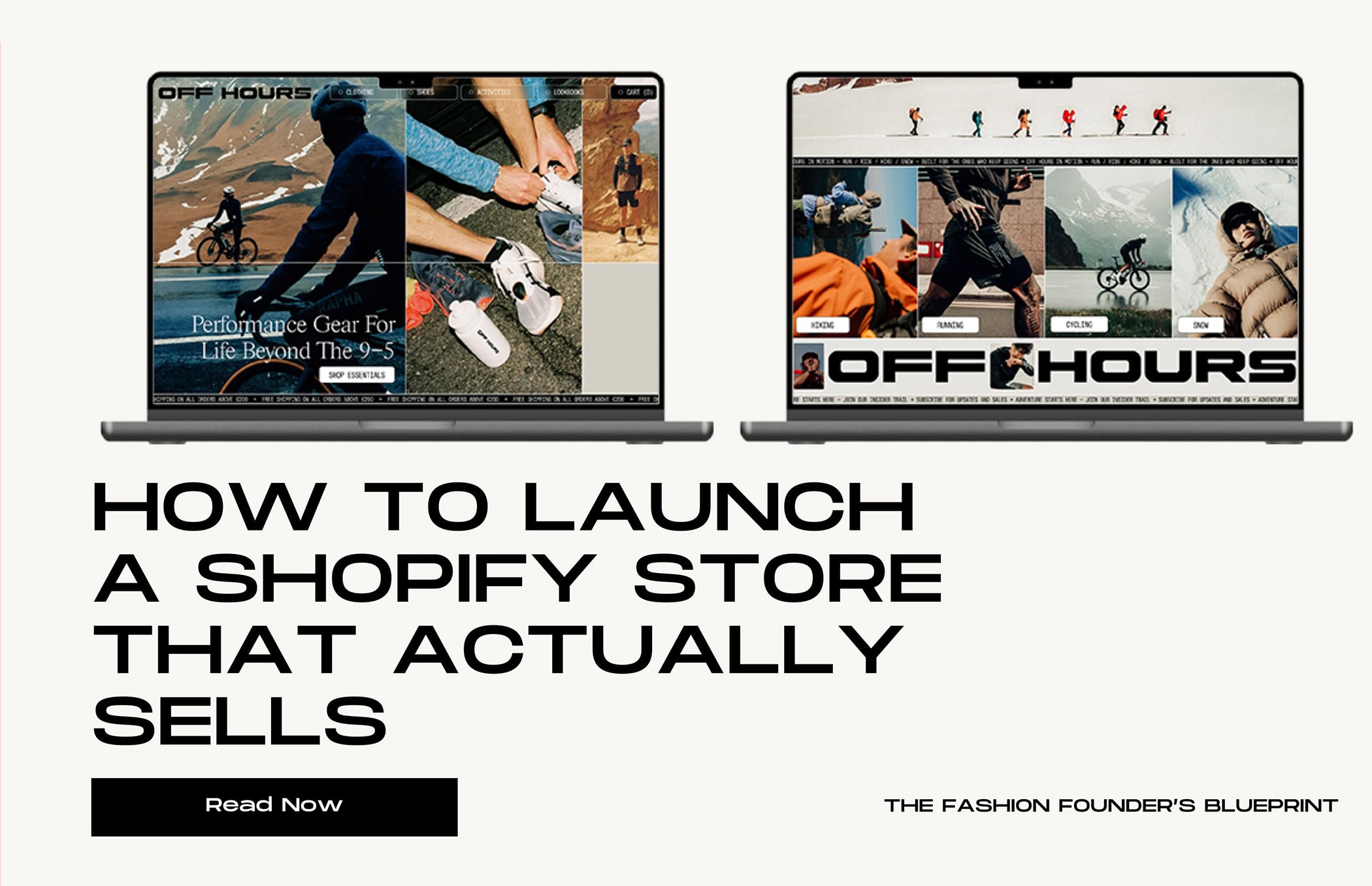
The Truth About Launching a Fashion Brand
Launching a fashion brand today feels like standing on a cliff: exciting, powerful… and slightly terrifying.
On one side, everything is accessible.
You can find manufacturers, build a Shopify store in an afternoon, and reach customers through a single viral video.
On the other side, your audience has never had more options.
They’ve also never been more discerning.
Modern shoppers can smell a “template store” from a mile away. They know when a brand is serious — and when it’s not.
Your website is the first real moment they meet you.
Before the fabric, before the fit, before the story — they experience the website version of your brand.
And if that version doesn’t spark immediate trust, clarity, or emotional resonance?
They leave.
Not because the product isn’t good.
Not because your brand isn’t special.
But because your store wasn’t built to sell.
This blueprint is your answer to that problem — a practical, strategic, genuinely helpful guide to launching a fashion store that feels like a brand people want to buy from.
Step Zero: Build Your Brand Like a Buyer, Not a Designer
Let’s start with a mindset shift that will immediately change the way you build your store.
Founders tend to design their websites the way they see the brand — through their own eyes.
The colors they love, the layout they prefer, the photos they find visually interesting.
But customers don’t shop with a designer’s eye.
They shop with instinct.
A shopper is constantly asking:
“Who is this brand? Do I trust them? Is this my style? Do I see myself wearing this? Is it worth the price?”
This is why the best fashion brands design for the buyer, not for themselves.
An example:
A founder once told me, “I want my homepage to be super mysterious, minimalist, no text — very high-fashion.”
It looked gorgeous, but traffic bounced immediately. Why?
Because visitors had no idea what the brand sold.
A buyer-centric approach doesn’t kill creativity — it channels it.
It helps you create beauty with purpose.
Design with clarity, and your store becomes magnetic.
Crafting Your Brand Identity: The Visual Direction That Drives Sales
Your visual identity is the emotional doorway into your brand.
Before a customer rationalizes anything, they feel something.
This is where a clear aesthetic direction matters.
Think of your brand like a movie.
What genre is it?
What mood?
What world are you inviting people into?
A gritty streetwear brand isn’t speaking the same emotional language as a soft, boutique womenswear label.
A rugged outdoor brand doesn’t tell the same story as a dark, minimal, editorial brand.
Your moodboards should reflect how your customer sees themselves — not just what you personally prefer.
When your visual identity is cohesive, your entire store feels “premium,” even if you’re just starting out.
People assume professionalism because professionalism feels consistent.
A strong identity = pricing power.
Pricing power = profit.
Profit = longevity.
Your Homepage: The 7 Elements Every Fashion Brand Needs to Convert Cold Traffic
Think of your homepage as the first conversation with your customer.
You have about three seconds to convince them that:
- they’re in the right place, and
- your brand is worth their time.
A fashion homepage should feel like an immersive editorial — but with the soul of a salesperson.
For example, the hero section shouldn’t be vague or artistic just for the sake of aesthetic. It should immediately communicate who you are and what makes you unique. “Modern streetwear inspired by urban movement” is clearer and more powerful than “Find your vibe.”
Below that, your homepage should gently guide your visitor, like a stylist curating an experience.
Featured collections, a signature piece, a brief brand story, editorial visuals, and subtle social proof all work together to create momentum.
The most successful homepages feel effortless.
But that effortlessness is strategic.
Product Pages That Sell: Turning Browsers Into Buyers
A great product page does the same job a salesperson would do in a boutique.
Imagine walking into a store.
The associate explains the fit, the fabric, the inspiration, how to style it, what other customers love about it…
Suddenly the piece feels more special.
Most product pages skip this entirely.
But the best ones understand the psychology of a buyer.
They include large, clean photos that show the fabric and the details.
They tell a short story about the design.
They explain why the product is worth the price.
They remove fear by making sizing and returns clear.
They add trust elements that reassure the shopper they’re in good hands.
A PDP is not a technical page.
It’s your brand’s most important conversation.
Collection Pages: Your Brand’s Digital Merchandising Strategy
If product pages are your salespeople, collection pages are your store’s merchandising.
Think of a physical boutique.
Clothes are arranged intentionally so shoppers can feel the brand before they inspect a single piece.
Online collections should create that same feeling.
That means consistent thumbnail photography, clean organization, and layouts that let the clothes breathe.
A cluttered collection page feels like a discount rack.
A curated one feels like a high-end boutique.
One founder I worked with simply changed her product thumbnails to a consistent style — same background, same crop, same lighting — and her conversion rate jumped instantly.
Consistency makes your brand feel more expensive.
Store Structure & Navigation: Clarity = Conversions
Your shopper should never feel lost.
Confusing menus and messy navigation are silent conversion killers.
People don’t tell you they’re confused — they just leave.
Fashion customers want simplicity:
Women → Tops → Knitwear
Men → Bottoms → Cargo
A clear structure tells visitors:
“We know what we’re doing. You’re safe here.”
Clarity is one of the most underrated signs of a premium brand.
Technical Setup That Affects Sales More Than Design
A visually beautiful store that loads slowly or breaks on mobile loses sales instantly.
Polish isn’t just aesthetic — it’s technical.
Your website should load quickly, feel smooth, and work perfectly on mobile.
Payments should be frictionless.
Shipping information should be transparent and stress-free.
Your fonts, spacing, images, and interactive elements should feel intentional rather than improvised.
The more seamless the experience, the more trustworthy the brand.
And trust sells.
What to Prepare Before You Hit “Go Live”
A successful launch is planned, not improvised.
Before launch, founders should have consistent product photos, complete size guides, well-written descriptions, essential policies, polished emails, and a solid inventory plan.
Treat the launch like opening day at a real store.
Everything should feel ready.
Confident.
Intentional.
Customers feel that.
And they respond to it.
Your First 7 Days Live: How to Drive Traffic and Convert It
Your launch week is about momentum, not perfection.
Share behind-the-scenes content.
Show your product in real life.
Tell the story of why you started.
Talk to your audience, even if it’s small.
Run small ads, experiment, learn, adjust.
A brand is built through movement — not silence.
The first week sets the tone for the months ahead.
What High-Converting Fashion Stores Do Differently
The best fashion stores all follow an invisible playbook.
They have clean layouts with strong hierarchy.
They use editorial photography that doesn’t overwhelm.
Their story is woven through visuals, not long paragraphs.
They lean into whitespace — the visual equivalent of confidence.
They make the experience feel easy, intuitive, and intentionally crafted.
This is what makes a new brand feel established.
Customers assume quality because the experience is quality.
And that alone can set you apart from 99% of other new brands.
When It Makes Sense to Invest Early in Design, Development & Branding (Especially for Fashion)
Fashion is not a utility-driven market.
It’s emotion-driven.
Trust-driven.
Perception-driven.
This is why early investment often pays off in fashion more than almost any other product category.
If your product relies on aesthetic value, storytelling, and a sense of identity — then your website becomes part of the product. It shapes how people perceive the worth of what you’re selling.
Founders who invest early tend to:
• launch with stronger confidence
• price their products higher
• build trust faster
• avoid painful rebuilds
• create a cohesive brand from day one
Contrast this with industries where products are more functional than emotional — like tools, hobby gear, or gadgets. Those brands can test quickly before polishing.
But fashion is different.
People buy the brand as much as the clothing.
Sometimes more.
If your goal is to look like a real brand (not a rushed dropshipping store) and charge what your product deserves, investing early is not vanity — it’s strategy.
When to DIY and When to Bring in Experts
There’s no shame in starting small.
DIY makes sense if you’re validating a product idea or exploring niches.
But if your goal is to launch a brand — a real brand — then professional design isn’t a luxury.
It’s the shortcut.
You save time.
You avoid costly mistakes.
You launch with credibility.
You protect your momentum.
You enter the market the way your brand deserves.
Think of it as hiring an architect for your dream home instead of winging it with YouTube tutorials.
The Storix Studio Method: Launching Fashion Brands With Confidence
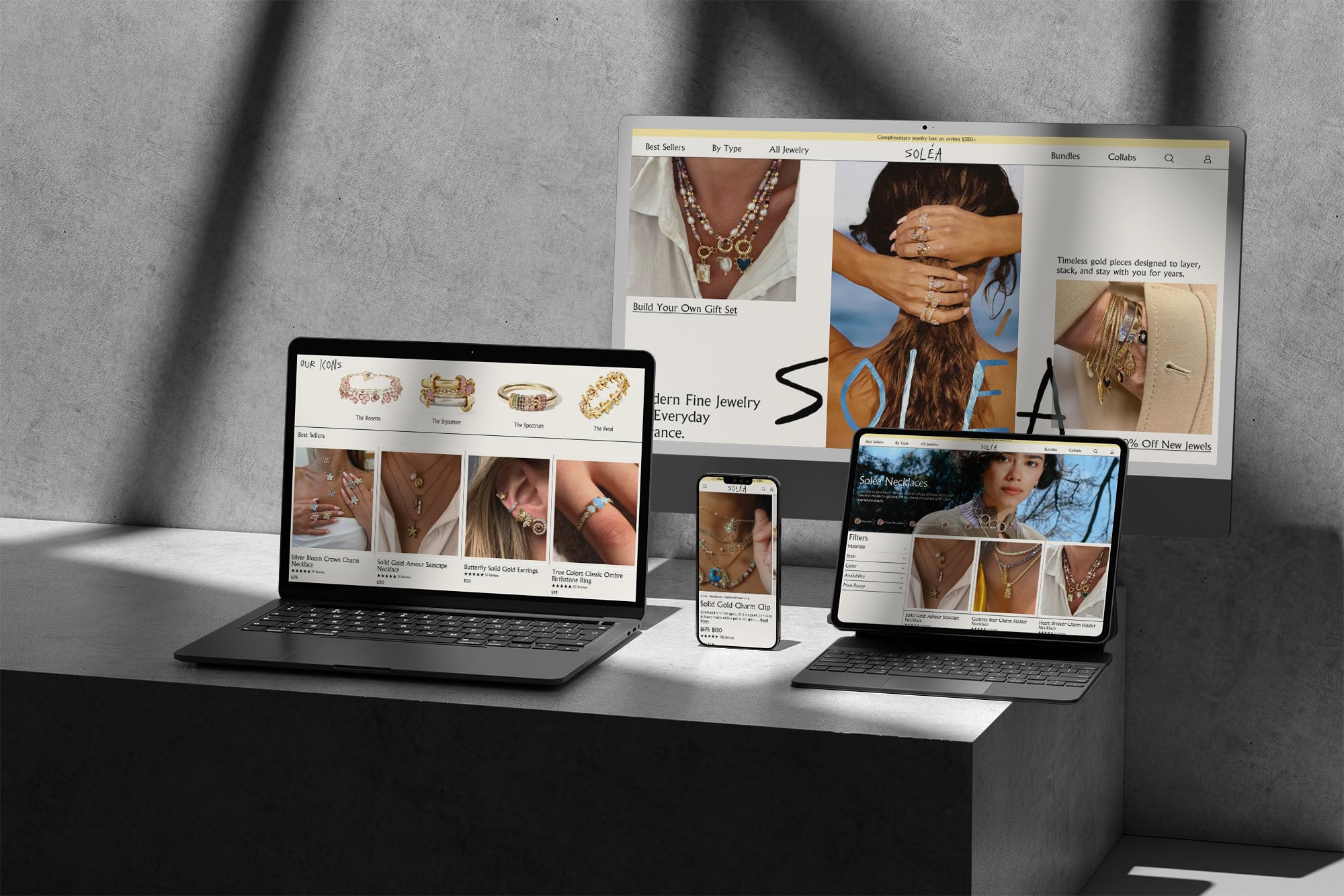
At Storix Studio, we help founders launch fashion brands that feel like they belong on page one of a lookbook.
Our approach blends:
• aesthetic clarity
• conversion psychology
• brand identity
• technical performance
• storytelling
• and real launch support
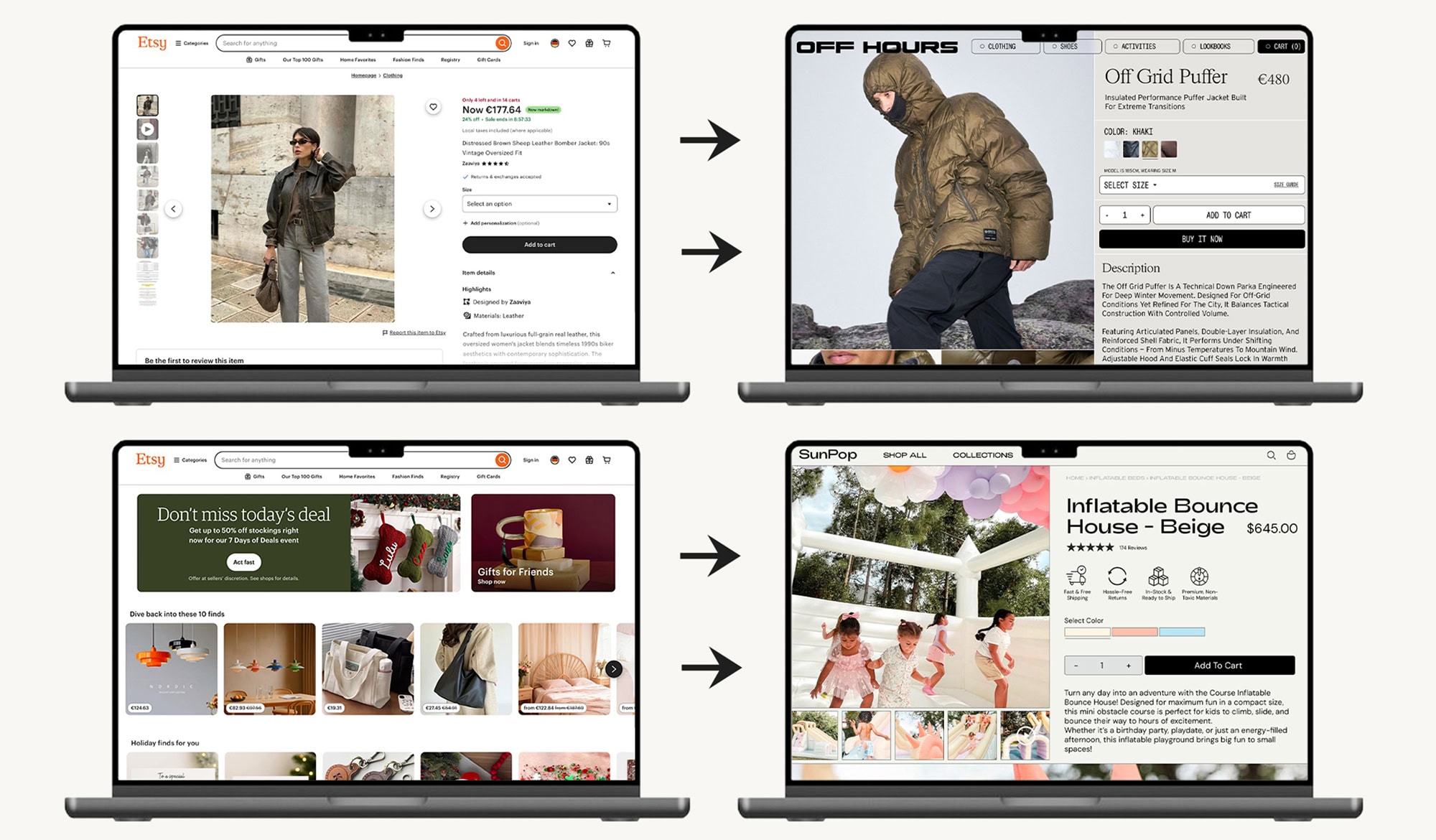
We don’t build template-based stores.
We build brand-first experiences that create instant credibility — the kind that makes customers say, “Wow… this is a real brand.”
In Summary:
If you skimmed this entire article, here’s the heart of it:
A fashion brand isn’t built through one single element — not the design, not the PDPs, not the brand story, not the photos.
It’s built through coherence.
Every part of the experience signals who you are.
When those signals align, your brand feels premium even if you're launching your first collection.
That’s how you earn trust early.
That’s how you stand out.
That’s how you turn attention into sales.
Ready to Launch a Fashion Brand That Actually Sells?
If your goal is to launch a brand that feels intentional, premium, and ready for the world, I’d love to help you make that happen.
Contact Storix Studio — and let’s build a Shopify store that makes your launch look like you’ve been doing this for years.

.jpg)